
Looking for the best things to do in Portsmouth VA? Your internet search certainly didn’t steer you wrong! Portsmouth, with a bustling and historic...

Looking to learn more about the best spring wildflower hikes on the East Coast?
Well, you’ve definitely come to the right spot!
Spring on the East Coast USA is hands-down one of my favorite times to hit the trail. There’s just something about the good weather, warm breezes, birds chirping in the trees, and that fresh smell of new growth that feels so good. It’s like your whole body wakes up after winter.
As the days warm and the snow melts away from higher elevations, an explosion of wildflowers turn the region’s trails into a wonderland of beautiful blooms.
From Virginia’s rolling hills to alpine meadows in New Hampshire, the East Coast is full of amazing wildflower hikes. Spring is the perfect time to get out there and explore!
However you prefer to soak in the spring season, I’ve rounded up some of the best places to hike on the East Coast.
You’ll discover some of the best day hikes from New England all the way to Georgia and everywhere in between (as well as the best time to visit them all). Now, let’s get into it and talk about the best wildflowers hikes on the East Coast!
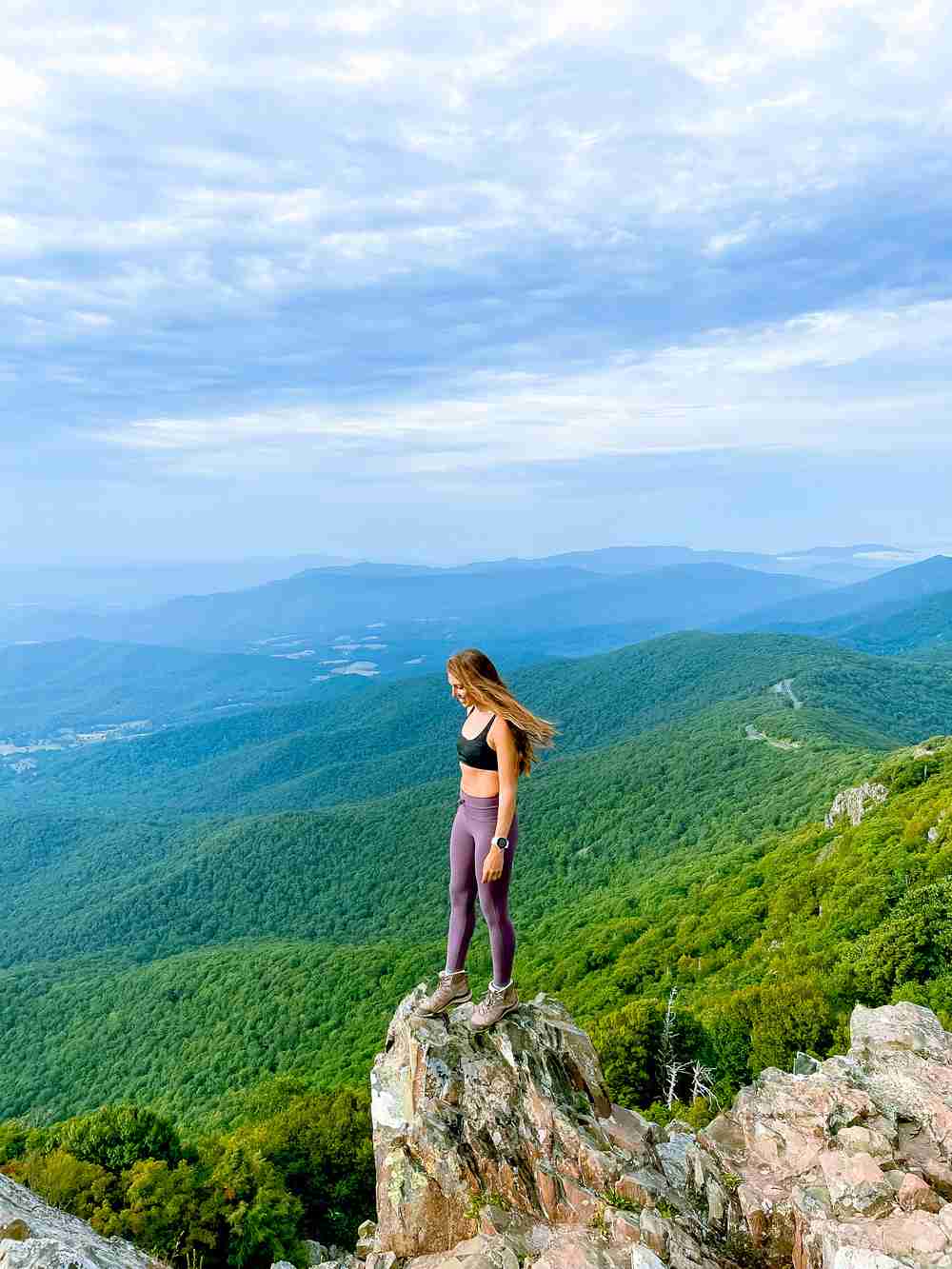
Grandfather Mountain near Boone, North Carolina and the surrounding area along the Blue Ridge Parkway is a springtime dream.
As the snow melts away, some of the higher elevation and more rugged (read: difficult) trails in the Blue Ridge Mountains like The Profile Trail and the Grandfather Trail are particularly scenic.
This is especially true in mid to late spring when rhododendrons and mountain laurel burst into bloom. You’ll also see trout lilies, spring beauties, trillium, and rhododendron.
By late spring, you’ll find mountain laurel and Catawba rhododendron bursting into bloom. It literally turns the trails into a tunnel of soft pinks and purples.
I traveled to Boone last year to experience these trails first-hand. Let me tell you- this area has some of the best hiking trails for wildflower viewing in the Southeast US!
If it’s your first visit to the Boone area, make sure to swing by the Daniel Boone Native Gardens.
It’s not a hike, but the garden paths take you through a beautiful variety of flowers and plants that are native to the Appalachian mountains. These include species such as trillium, columbine, mountain laurel, azalea, and more.
Additionally, Boone is just a three hour drive to Great Smoky Mountains National Park.
Be sure to read my full guide to Boone, North Carolina to help you plan your trip!
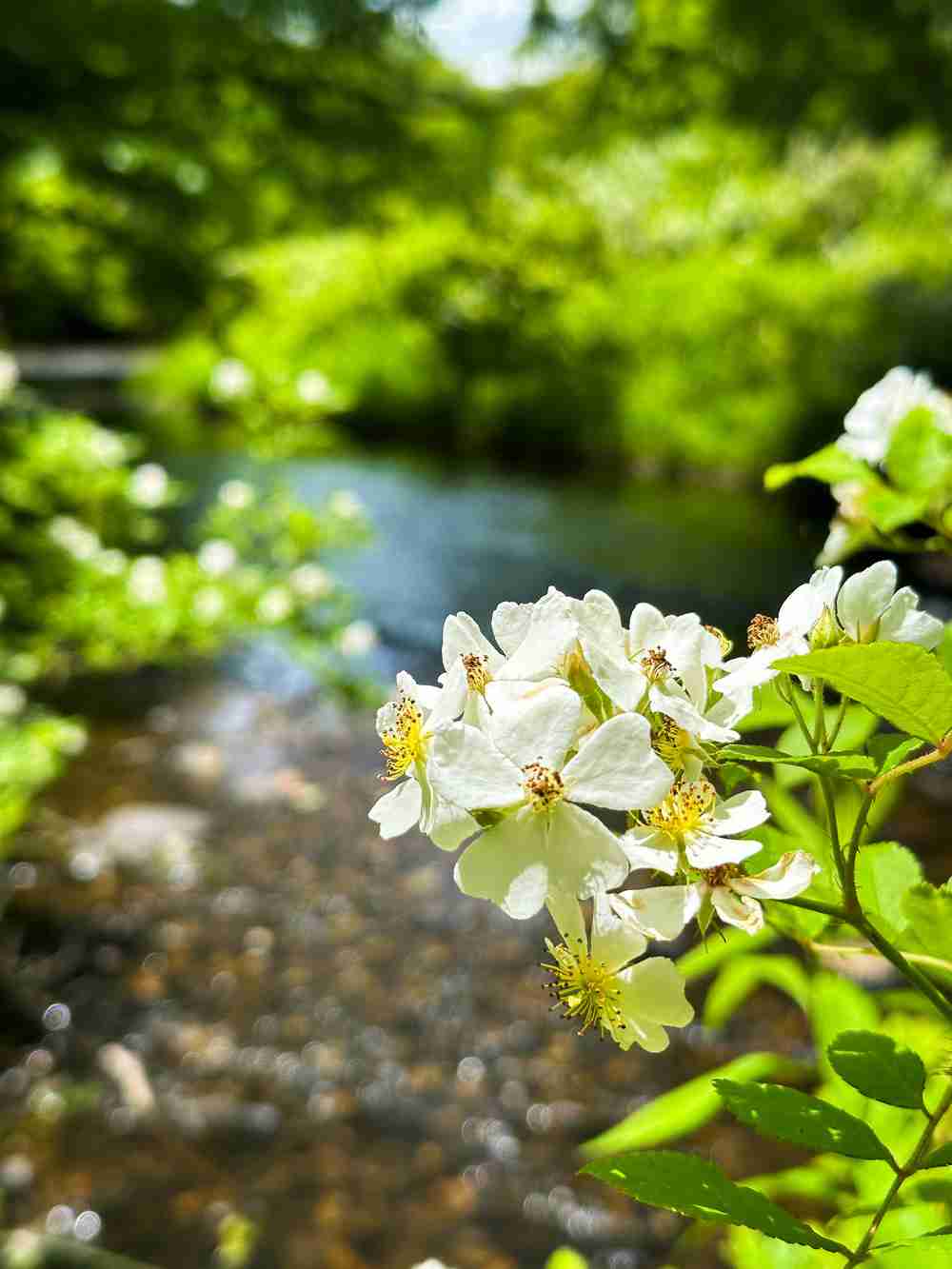
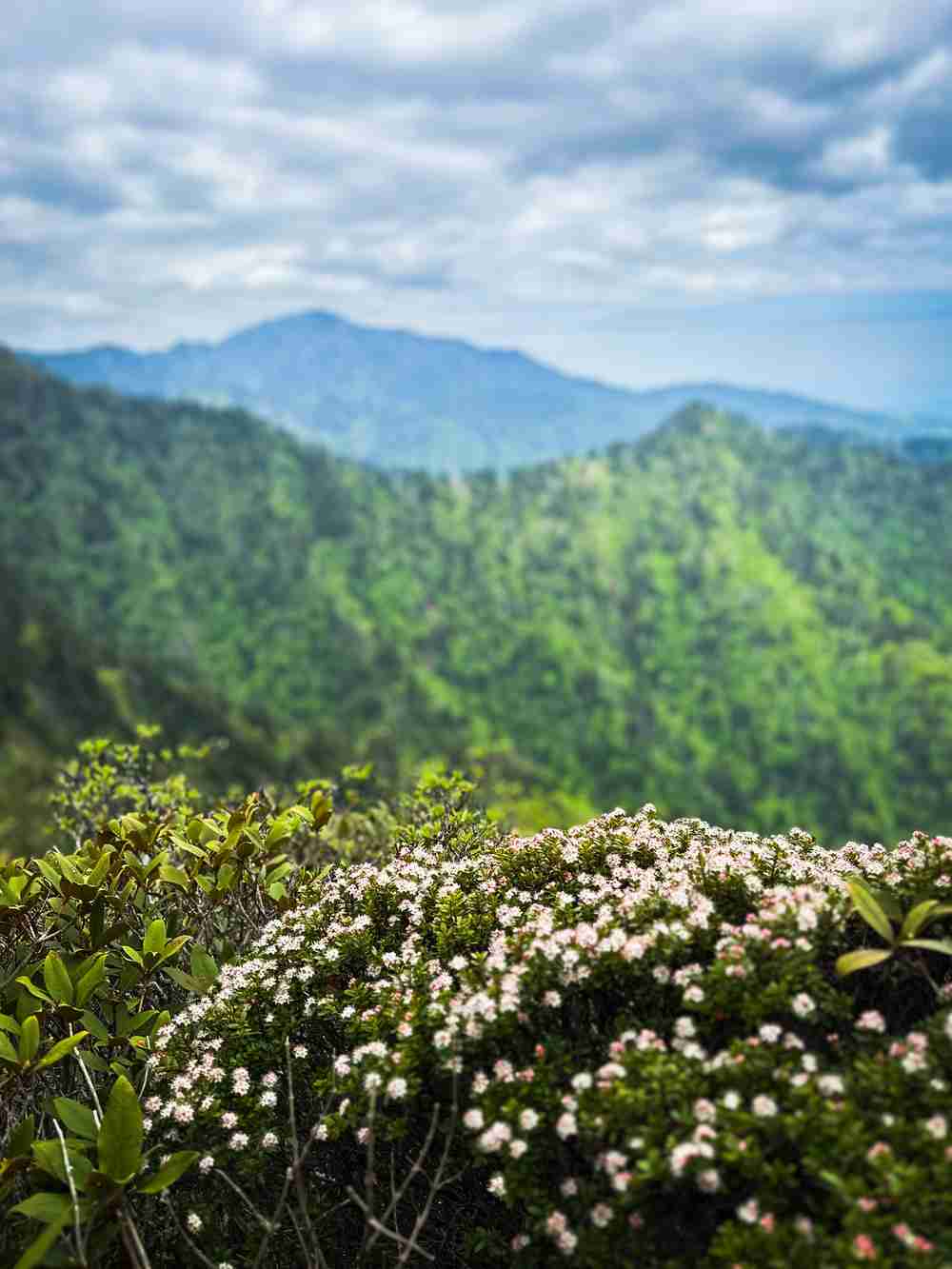
Straddling the border of Tennessee and North Carolina, Roan Mountain is easily one of the best places for wildflower hikes on the East Coast.
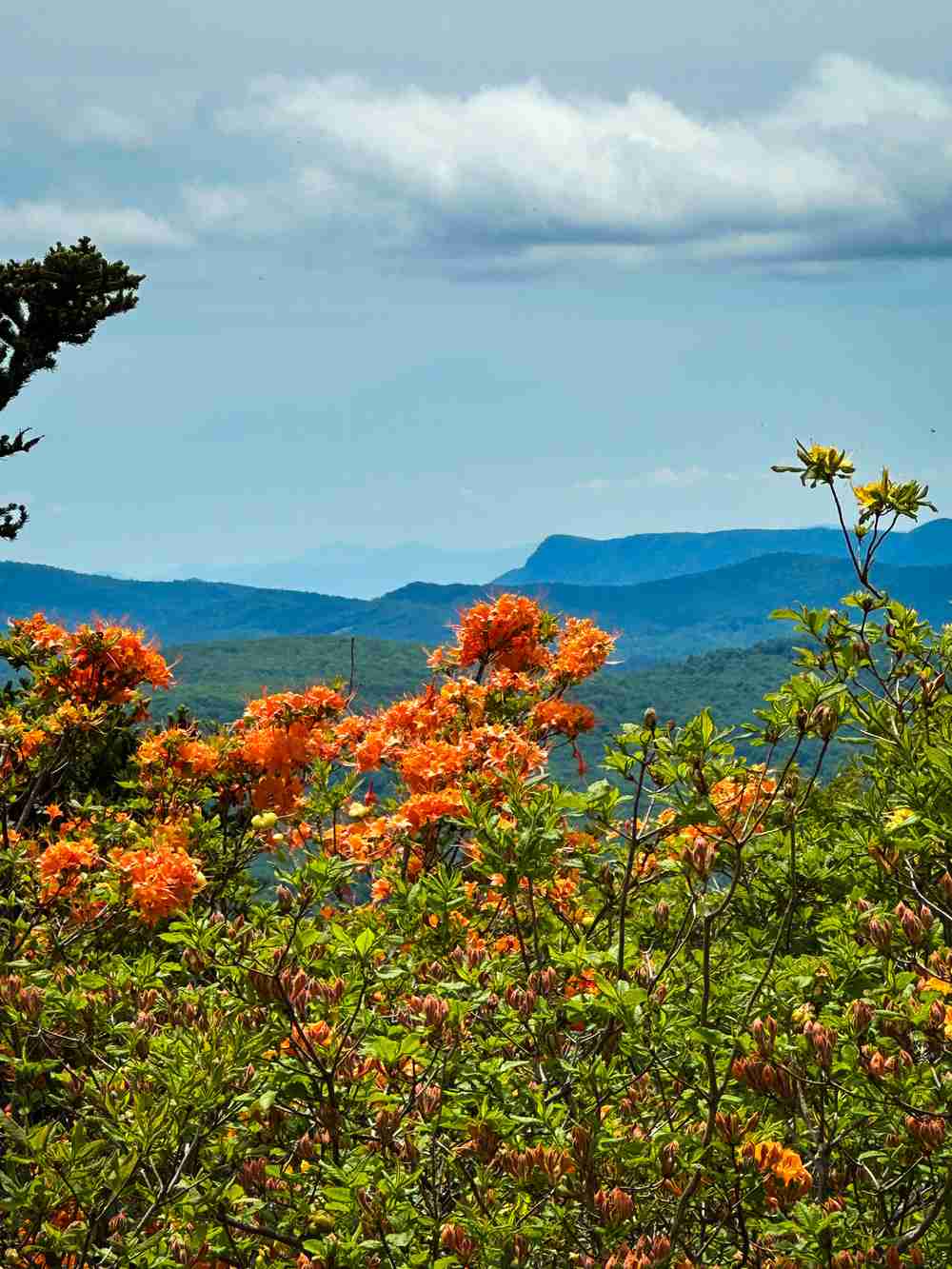
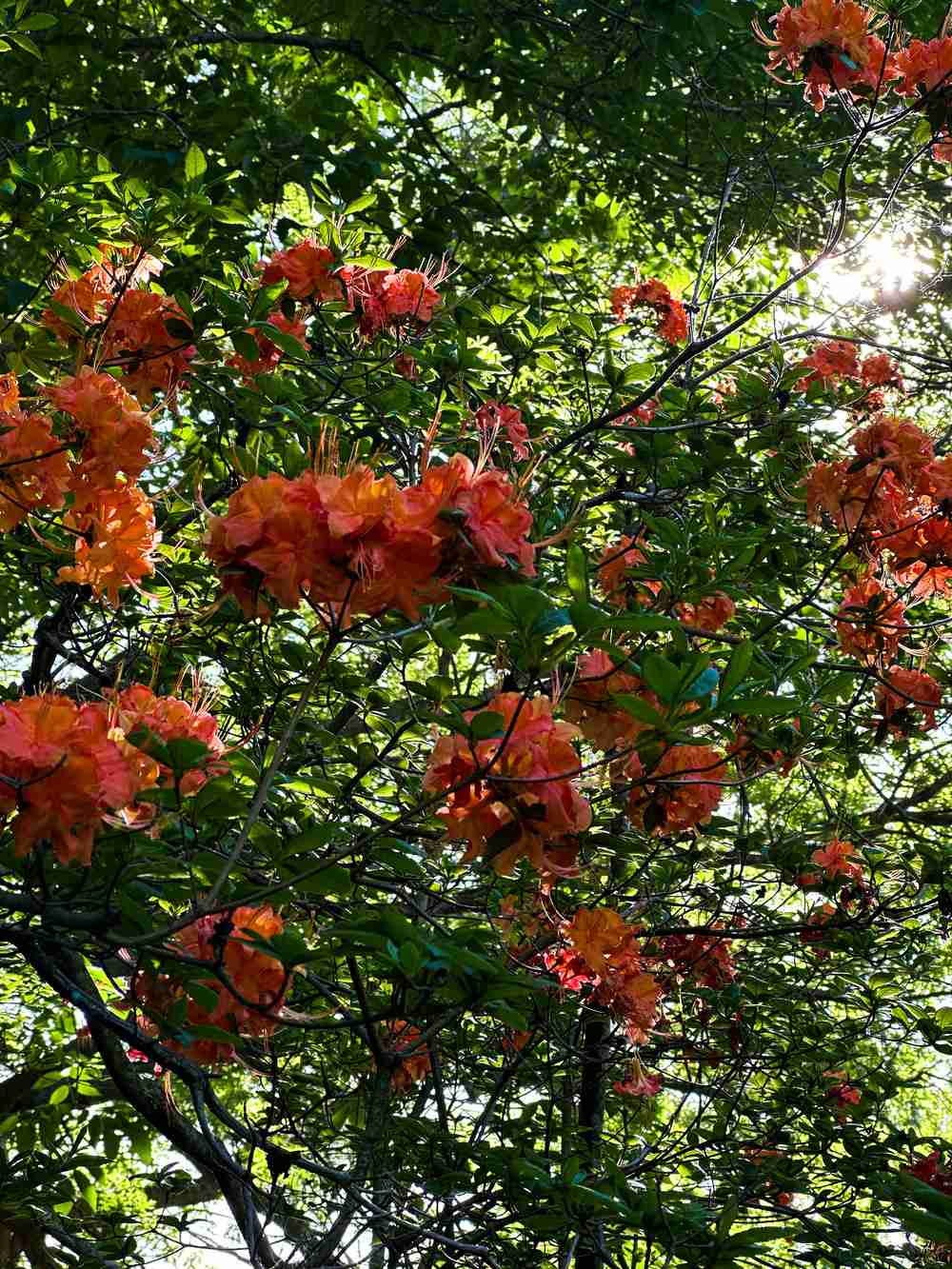
It’s such a special place that is unlike anything else, especially if you want to see flame azaleas!
These bright orange blooms light up the grassy balds in mid-to-late June. When they’re at peak, it honestly feels like the mountains are on fire in the best way. In fact, Roan Mountain is considered one of the most iconic wildflower destinations in the Appalachians!
Be sure to hike the section of the Appalachian Trail from Carver’s Gap toward Grassy Ridge Bald for a moderate trek with unforgettable views. Even better, the super bloom’s peak coincides with the Roan Mountain’s annual Rhododendron Festival.
Since the Appalachian Trail runs right through these open meadows, you’ll be sure to get a nonstop view in every direction. Swing by the Rhododendron Gardens near Carver’s Gap for even more color—it’s unreal.
Be sure to hike the section of the Appalachian Trail from Carver’s Gap toward Grassy Ridge Bald. It offers a moderate trek with unforgettable views.
Even better, the super bloom’s peak coincides with the Roan Mountain’s annual Rhododendron Festival.
Since the Appalachian Trail runs right through these open meadows, you’ll be sure to get a nonstop view in every direction. Swing by the Rhododendron Gardens near Carver’s Gap for even more color—it’s unreal.
You can also spot flame azaleas in other parts of Tennessee. In the Great Smoky Mountains, they bloom alongside mountain laurel and rhododendron.
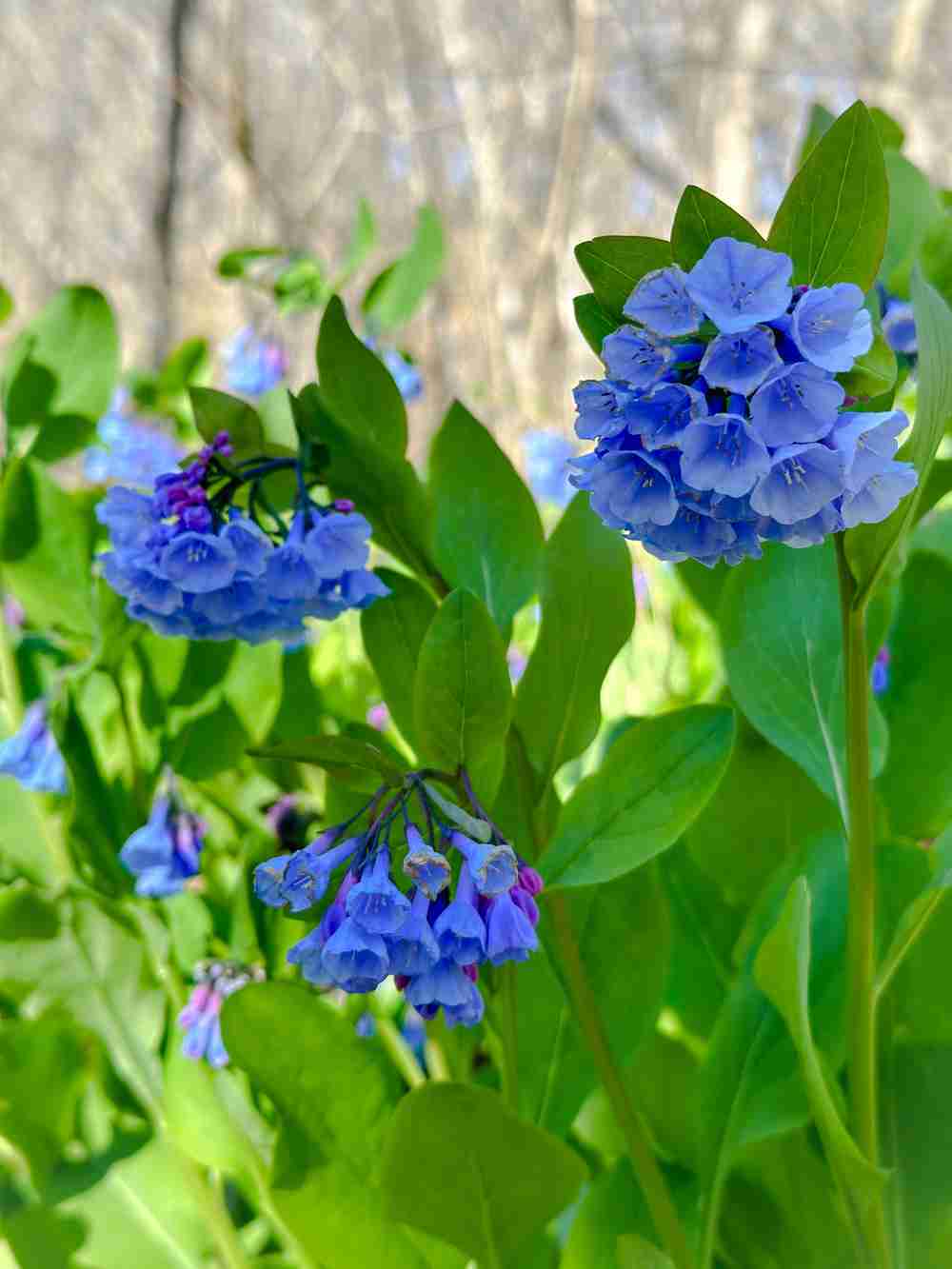
If you’ve never walked through a sea of Virginia bluebells, this is your sign to do just that!
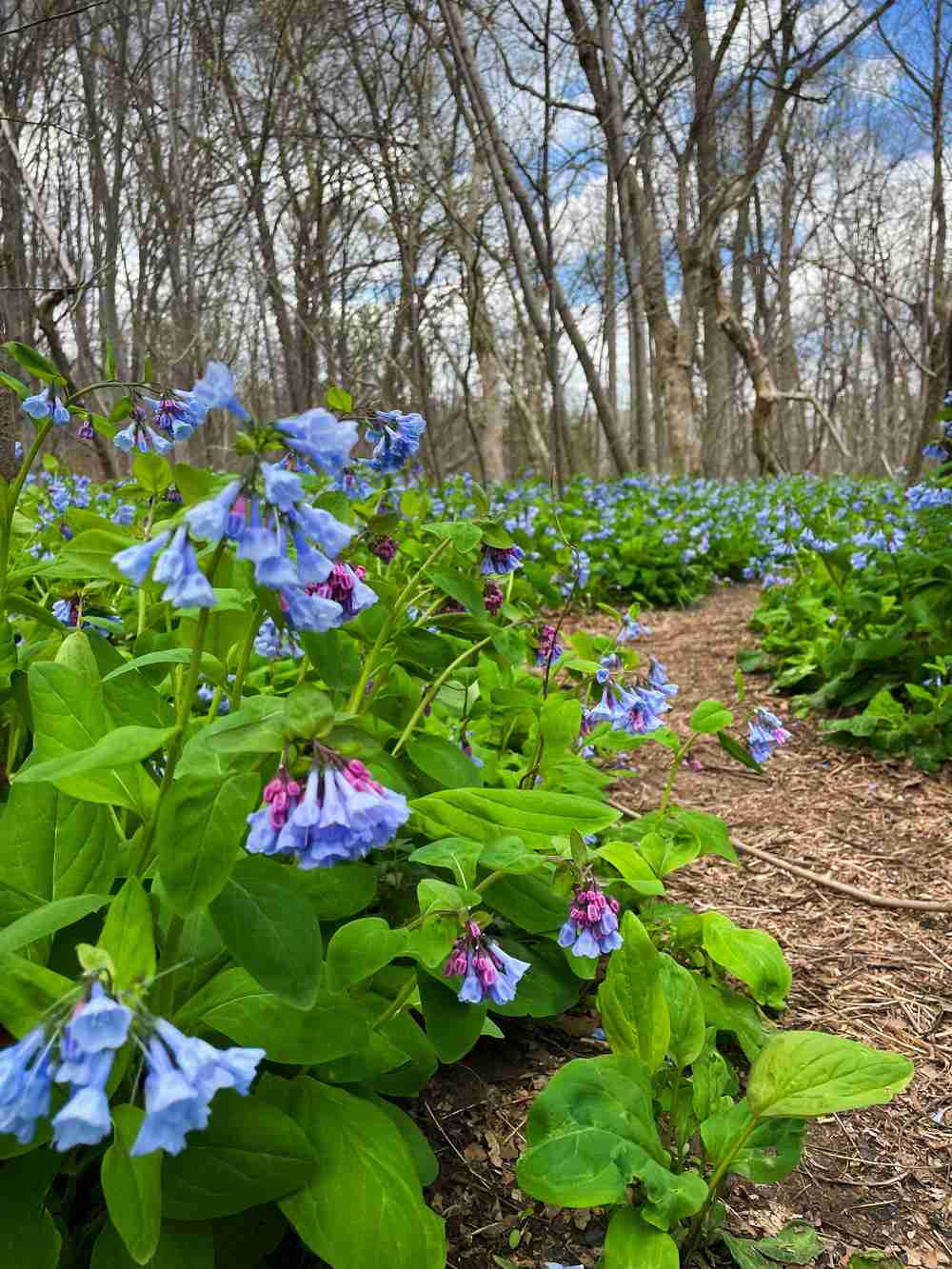
Each spring, the forest floors along rivers and floodplains burst into carpets of soft blue blooms, and there’s no better way to soak up the season.
From late March to early April, you can catch peak bluebell season at several incredible parks across Northern Virginia.
Whether you’re looking for a peaceful riverside stroll or a family-friendly trail close to D.C., here are some of my favorite spots to chase the blooms:
Nestled along the South Fork of the Shenandoah River, Shenandoah River State Park offers a quieter alternative to its famous neighbor, Shenandoah National Park- and a stunning display of bluebells each spring.
Take the Cottonwood Trail or Bluebell Trail for riverside hiking surrounded by blooms. Both are flat, easy riverside hikes surrounded by massive bluebell colonies. They’re also perfect for photographers and families!
The Bluebell Loop Trail is an easy favorite near DC, known for its forested floodplain packed with bluebells. This easy 1.5-mile loop trail, and is ideal for a relaxed walk and offers close-up wildflower viewing.
Additionally, there is literally no elevation gain on this trail.
Be sure to arrive early in the morning or on weekdays during peak bloom to avoid the crowds.
For a truly magical experience and one of the best wildflower hikes on the East Coast, head to Riverbend Park in Great Falls.
The park’s riverside trails (like the Potomac Heritage Trail) are shaded by towering trees, and the ground turns into a patchwork carpet of Virginia bluebells, trout lilies, and other spring beauties.
You can even hike all the way to Great Falls Park if you’re up for a longer adventure!
Other great places to spot bluebells nearby include Winkler Botanical Preserve in Alexandria (small but lovely!) and Occoquan Bay National Wildlife Refuge.
The latter trail offers easy walking and a quiet vibe perfect for flower-peeping.

Located high in the Allegheny Mountains, Dolly Sods feels like a world apart from the rest of the Mid-Atlantic.
Thanks to its high elevation and unusual soil, this rugged plateau supports plant life typically found much farther north, giving it an almost alpine feel.
In late spring (usually May through early June), Dolly Sods comes alive with blooming mountain laurel, rhododendron, and a rainbow of other wildflowers lining the meadows and trails.
The mix of open bogs, rocky outcrops, windswept meadows, and sweeping vistas makes it one of the most unique wildflower destinations on the East Coast.
Some of the best ways to experience the bloom:
Not a full hike, but a stunning panoramic viewpoint- perfect for sunrise or sunset, when the light catches the blooming laurel across the plateau.
Wander through lush meadows, past flowing creeks, and among wildflowers in bloom. One of the most scenic and iconic trails in the Sods.
A great choice for open meadows dotted with blooms and big sky views. Also connects easily to other trails if you want to extend your hike.
A more adventurous hike, but worth it for the dramatic overlook and surrounding wildflower meadows in late spring.
A peaceful ridge walk with expansive views and colorful bursts of laurel and rhododendron along the way.
Tip: Wildflowers typically peak between mid-May and early June at Dolly Sods, but timing can vary slightly depending on how fast spring warms up. And don’t forget—weather can change fast up here, so always come prepared for cooler temps and muddy trails, even in late spring!
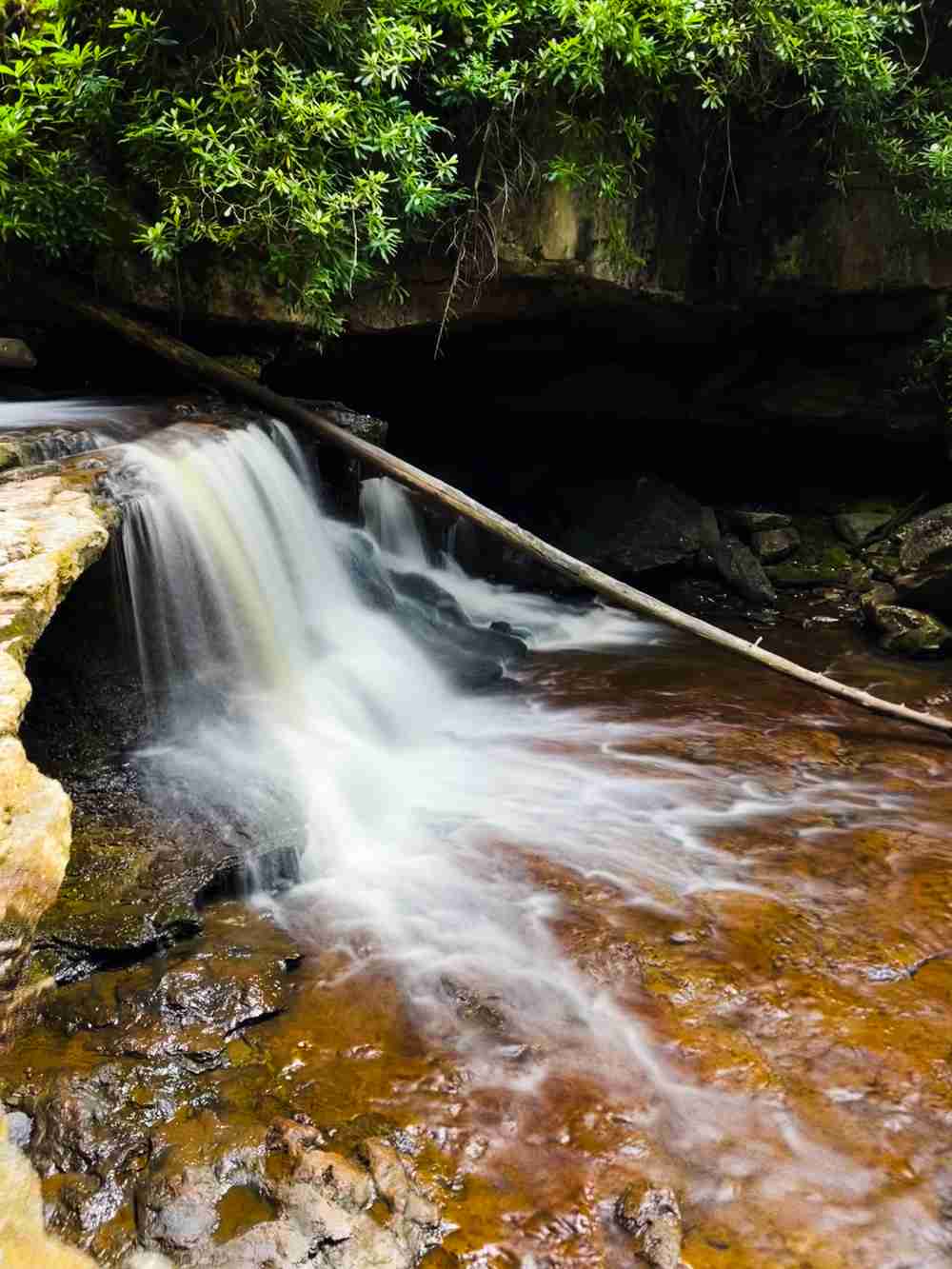

Another hidden gem in West Virginia, Cranberry Glades Botanical Area is home to rare plants you won’t see in many other places.
This fascinating highland bog in the Monongahela National Forest hosts a unique mix of plant species, including orchids, carnivorous plants, and spring wildflowers more commonly found in Canada.
There’s a half-mile boardwalk trail that loops through the glades and offers great flower spotting with minimal effort.
This trail allows for an easy stroll through the glades, offering a one-of-a-kind chance to see rare plants in bloom.
Visit in May for the best flower viewing, and don’t forget your camera- this is one of the most photogenic wildflower spots in the East.
It’s truly one of the most beautiful wildflower hikes on the East Coast, and a great spot for hikers of any level!
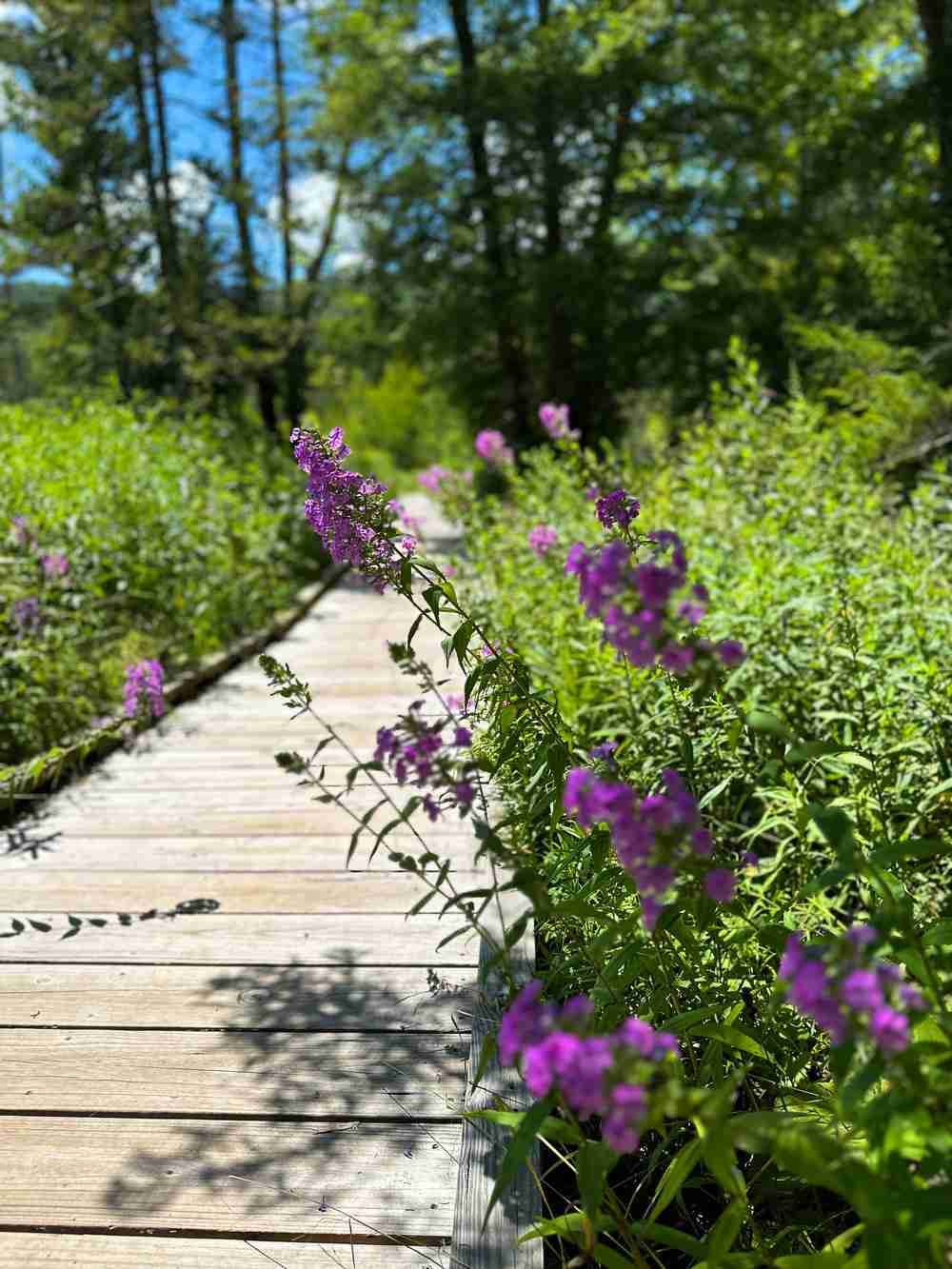
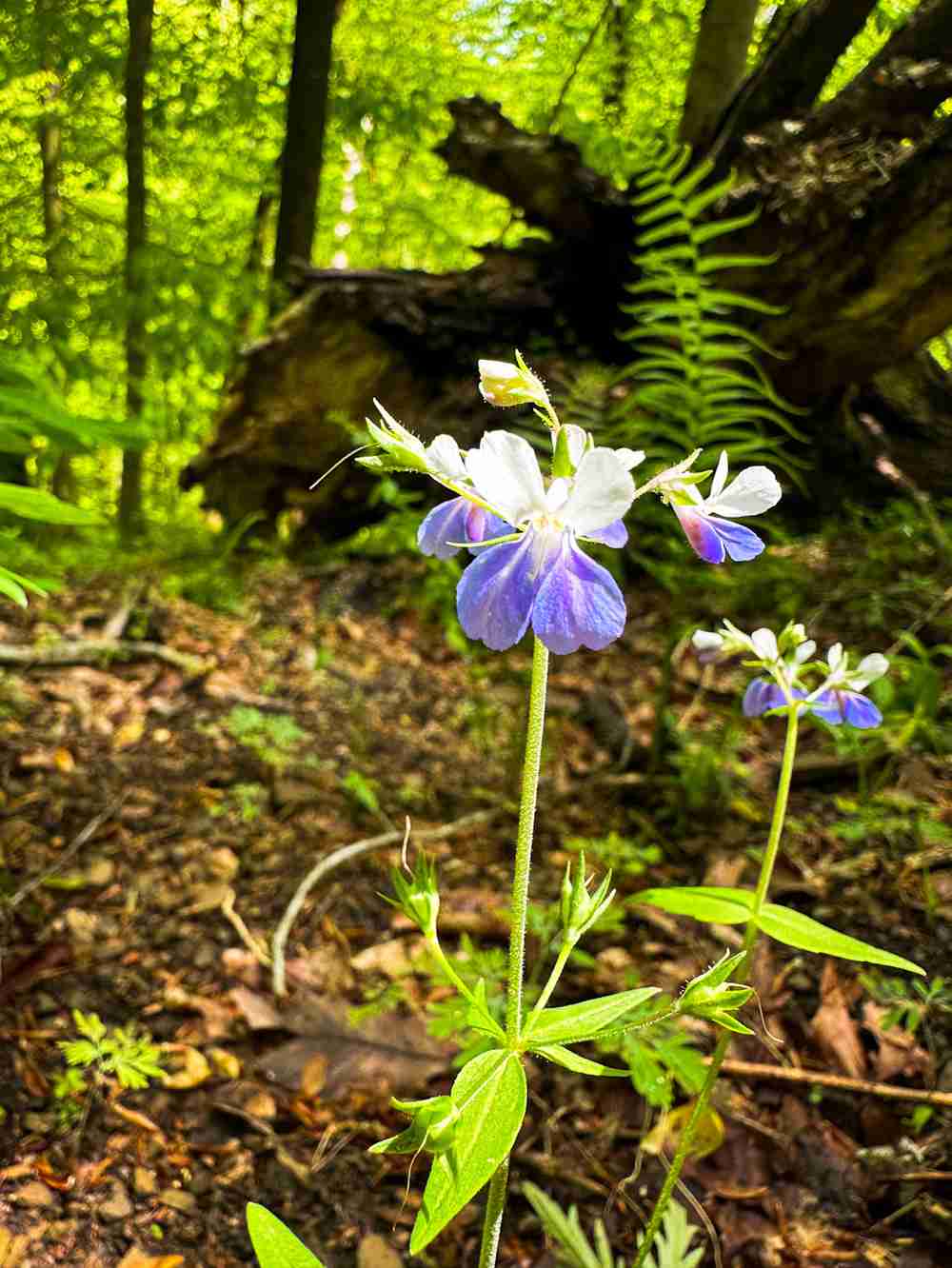
If you’re in the Southeast US, this one’s a must.
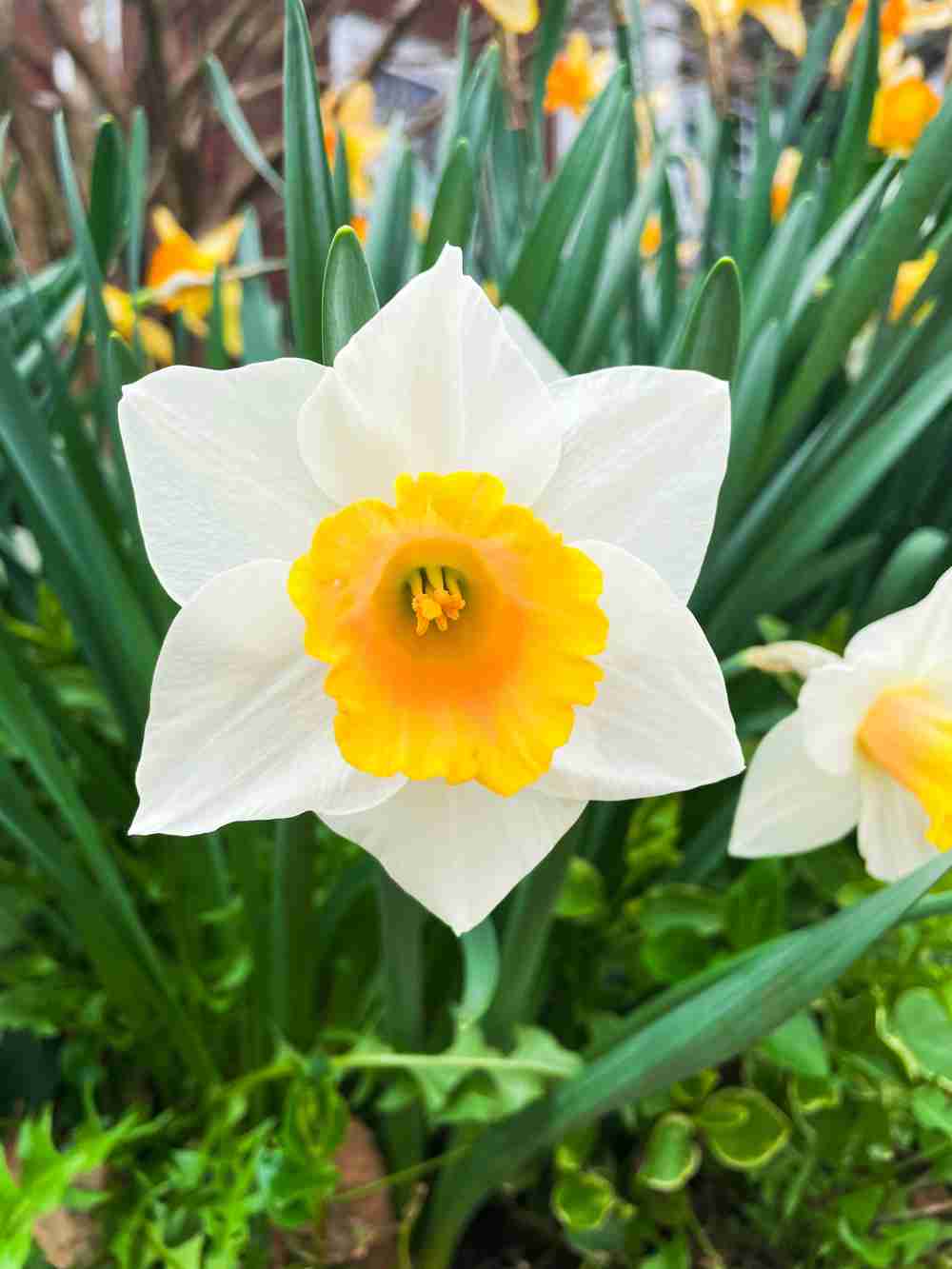
Though more of a cultivated space than a wild one, Gibbs Gardens in Ball Ground, Georgia, offers a dazzling early spring display of daffodils.
With over 20 million blooms across 50 acres, this is one of the largest daffodil gardens in the country.
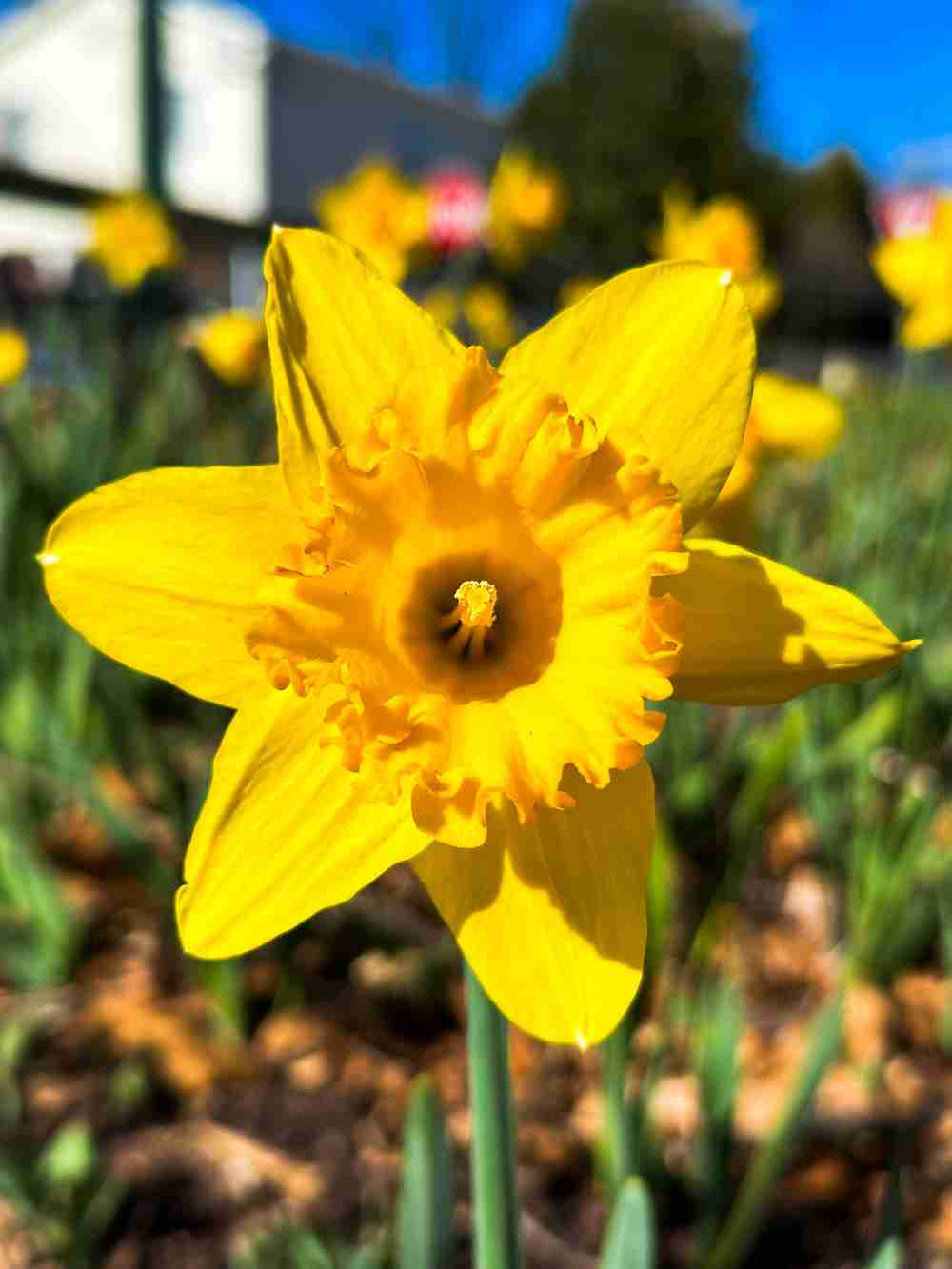
The trails loop through rolling hills and gardens that are glowing with yellow, gold, and white blooms every spring- it really is breathtaking. The best time to visit is in March to see the hillsides light up in yellow and white hues.
The daffodils are followed by tulips, cherry blossoms and azaleas later in the season. Gibbs Gardens offers manicured trails that make this an easy and accessible spring destination for all flower lovers.
Put it at the top of your favorite wildflower hikes on the East Coast, because that’s what it will be after you experience it!
While most people think of Upstate New York when it comes to hiking, just an hour from New York City in southern New York, is Bear Mountain State Park. It’s a wildflower haven in late spring!
Mountain laurel typically blooms in late May or early June, transforming the park’s hillsides and trails with clusters of soft pink and white.
The Major Welch Trail and Appalachian Trail loop take you up to awesome views of the Hudson River. This 4.2 mile trail is an out-and-back, and generally considered a challenging route in difficulty. However, the beautiful views make the workout well worth it.
Another bonus: The Appalachian Trail crosses through the park.
This offers both challenging hikes and gentler options like the Perkins Memorial Tower trail for panoramic views and floral displays.
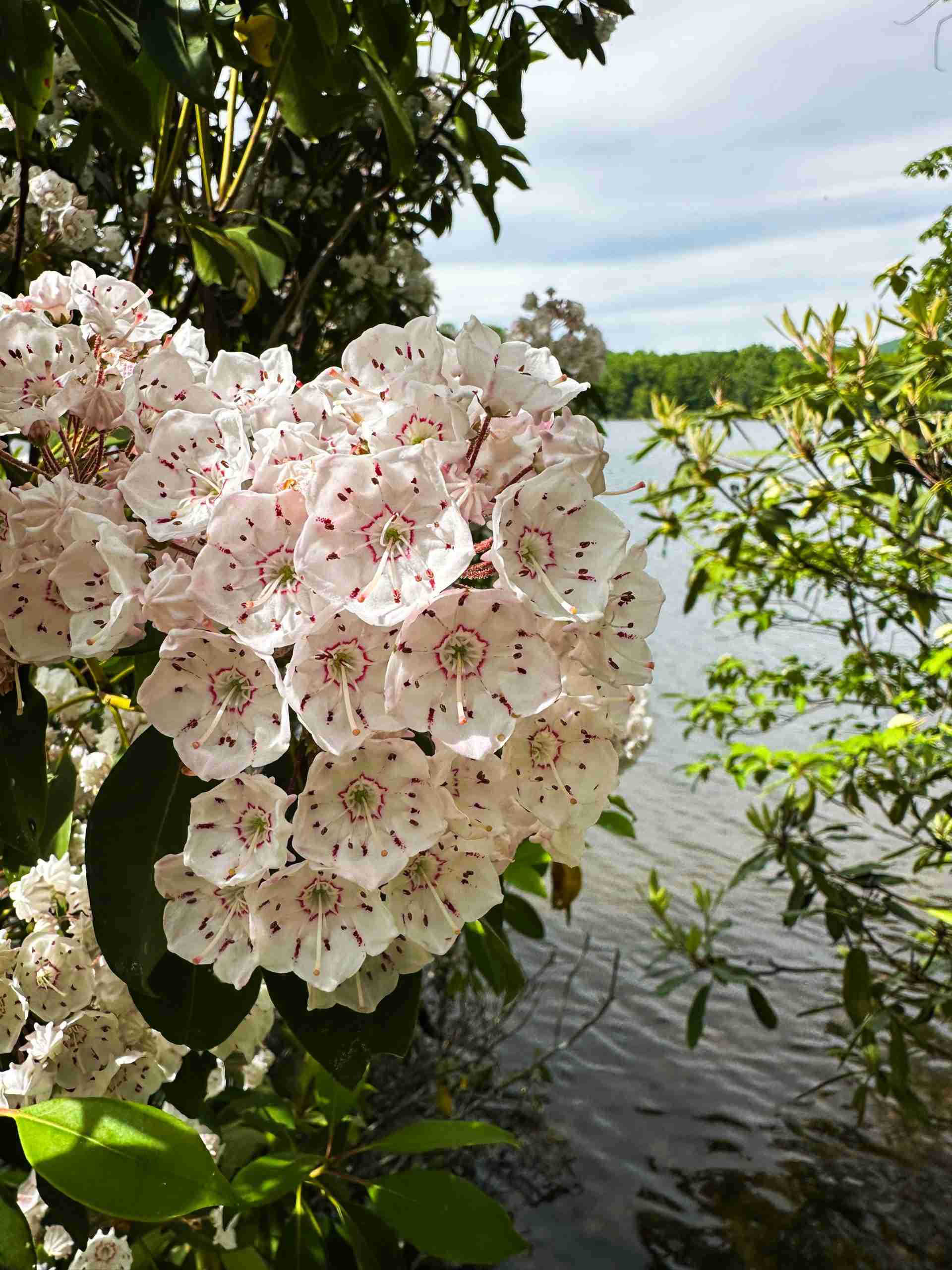
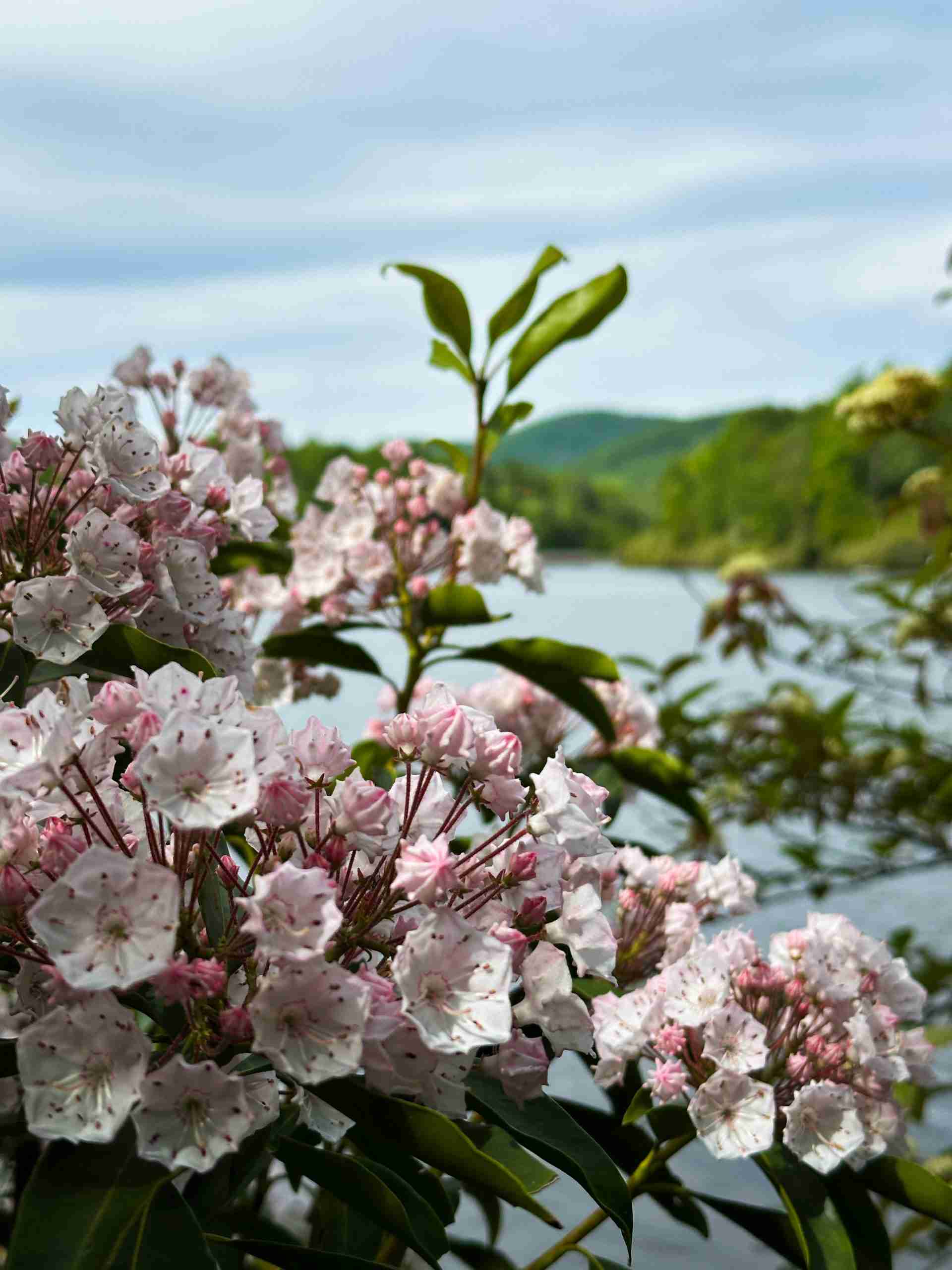
In northern New Hampshire, the small town of Sugar Hill becomes a floral paradise in early June with its sweeping fields of wild lupines.
These tall purple, pink, and white blooms fill open meadows with color and attract visitors from across New England.
Early summer is peak lupine season up north, and the coinciding Lupine Festival in June makes it the perfect time to visit!
The Lupine Festival features walking tours, local art, and plenty of photo opportunities.
While not a remote hike, walking through these blooming meadows with the White Mountains in the distance is a serene and stunning experience.
You’ll also find lupines along back roads and meadows in Vermont and Maine. It’s more of a stroll than a hike in many spots, but absolutely stunning!
There are so many incredible places to see wildflowers all along the East Coast.
For the sake of time, I had to narrow it down to a handful of my absolute favorites.
That said, I couldn’t leave out a few extra gems—so be sure to check out the honorable mentions below!
Famous for its wild ponies, Grayson Highlands also puts on a spectacular wildflower show in the spring.
Open meadows and forest trails come alive with columbine, trillium, and mountain laurel.
Take the Rhododendron Trail or Wilburn Ridge Trail for the best combination of wildflower views, pony sightings, and mountain vistas.
Remember: a higher elevation means blooms start a bit late- usually in May and early June.
As the tallest mountain east of the Mississippi, Mount Mitchell offers dramatic views and equally dramatic wildflower displays.
Hike up from the Black Mountain Campground or take the shorter Balsam Nature Trail near the summit for a less strenuous option.
In late spring and early summer, the trail edges are lined with mountain laurel, rhododendron, and other high-altitude blooms.
The changing ecosystems as you ascend offer a constant stream of new flora to discover. Be sure to take your time climbing- mountain laurel and rhododendron bloom all along the trail!

One of the most beautiful drives in the Appalachians, the Highland Scenic Highway is also a perfect jumping-off point for spring wildflower hikes.
This back road cuts through highland meadows, spruce forests, and bogs-n each filled with seasonal blooms. It’s also peppered with plenty of pull-offs to enjoy scenic overlooks and opportunities to spot wildflowers without even leaving your car.
Stop at trailheads like Red Spruce Knob, Tea Creek Trail, or the Williams River Trail to explore blooming glades and quiet woodlands.
Spring is the best time of year to be on the trail. However, it also brings unpredictable weather, wet trails, and increased foot traffic. Here are some tips to make the most of your wildflower hikes:
Spring weather patterns on the East Coast can shift quickly from warm and sunny to chilly and windy, especially at higher elevations.
Dress in lightweight layers that can be easily removed and placed in your backpack. I purchase most of my outdoor gear from REI, so I would recommend looking for a light, wind-proof jacket and moisture-wicking (non cotton) long sleeved shirt to start.
You can also head to my Amazon Storefront to shop my favorite hiking gear and outdoor accessories!
When hiking in wilderness areas, it’s always a smart idea to bring a first aid kit with the essentials.
First aid kits should typically include adhesive bandages, pain medication, gauze, and disinfectant.
Additionally, keep in mind that tick season is April through September. Ticks are typically found in grassy, bushy, wooded areas during the warmer months.
To protect yourself from tick borne diseases, be sure to also pack EPA-registered tick and insect repellent. It’s not a bad idea to keep a tick removal kit or even just a pair of tweezers in your first aid kit on the off chance you find one on you. Be sure to check your clothes/shoes before getting in the car to head home!
During the spring months, some trails can still be muddy from snow melt and spring rains.
Good traction is essential for staying safe on the trails! I definitely recommend a high-quality pair of hiking boots such as these Saw Tooth X-Mid Waterproof Hiking Boots from Oboz.
Many parks and gardens post bloom updates to help you time your visit. A few places you can monitor wildflower blooms include The Appalachian Trail Conservancy, the Appalachian Mountain Club, and Wildflower Search.
With Wildflower Search, you can pinpoint the exact area you will be traveling to on a map, and the search engine will display all wildflowers currently found in that area. Super cool!
The iNaturalist community science app is also a great resource for people who would like to report wildflowers observations across the country.
Beat the crowds and get an early start to hike in the morning hours, especially on weekends. Thousands of outdoor enthusiasts will have the same idea as you do during peak bloom season!
If possible, plan your hikes mid-week to enjoy more solitude and better photography conditions. Weekends are typically more crowded, especially around holidays and as people have time off work.
Practice Leave No Trace Principles (LNT) when spending time outdoors in national parks and on public lands (or anywhere outdoors, honestly).
Stay on marked trails, don’t pick or trample wildflowers or other flora, do not approach or feed any wildlife, and pack out everything that you pack in.
Be sure to read up on LNT Principles ahead of your trip to become familiarized! A simple way to think about it is to treat the outdoors like you would someone else’s home- with care and respect!
It is so important to be aware of potential wildlife that you may encounter while on trails.
Animals that are common up and down the East Coast include but are not limited to: black bears, coyotes, raccoons, wild ponies (in the Grayson Highlands), white-tailed deer, red fox, moose.
There are also less “appealing” and quite dangerous reptiles including multiple species of rattlesnakes and copperhead snakes. Timber rattlesnakes are fairly nonaggressive, but will bite if threatened, which they willl be if you accidentally almost step on them. Just keep your eyes peeled.
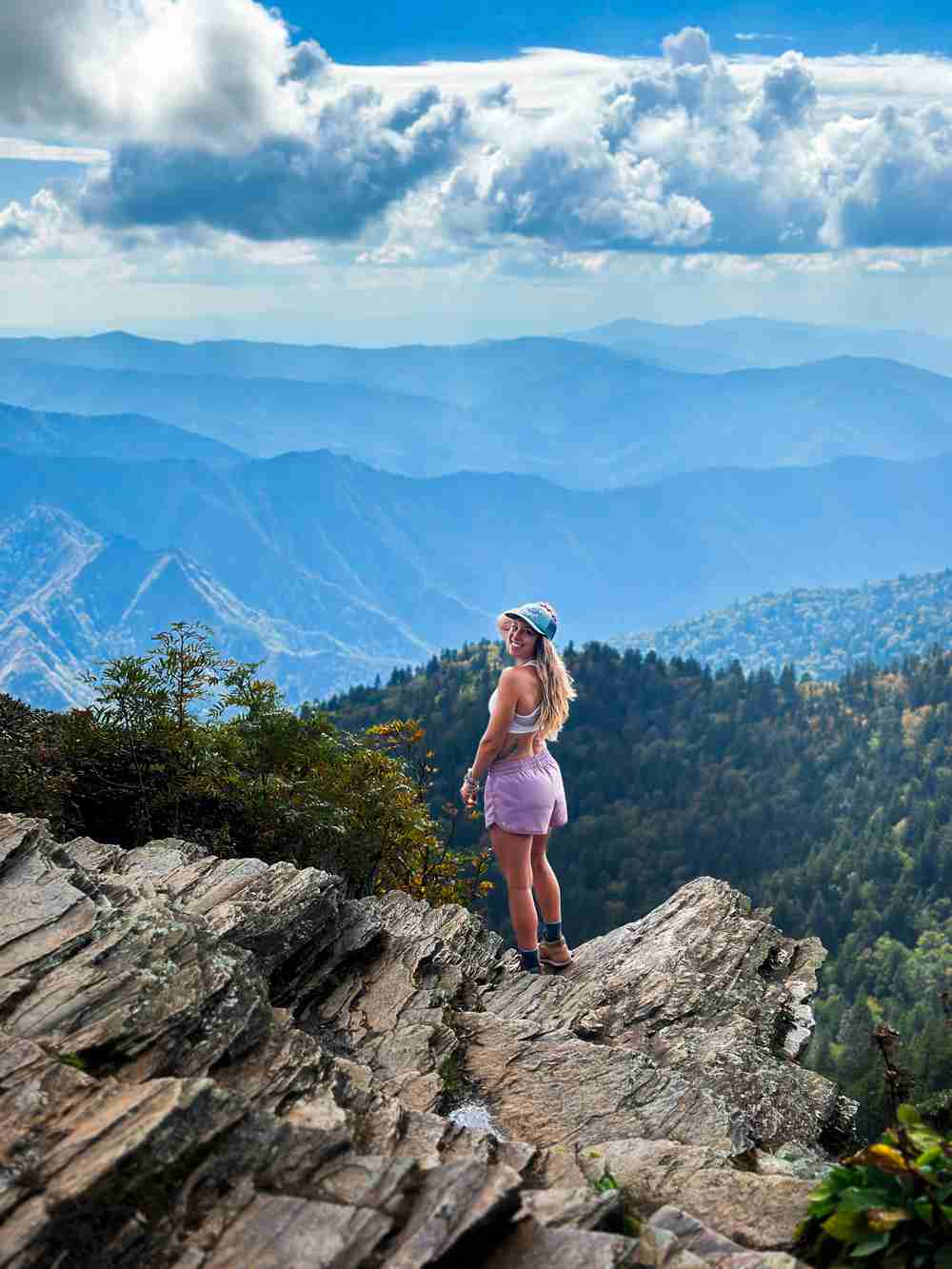
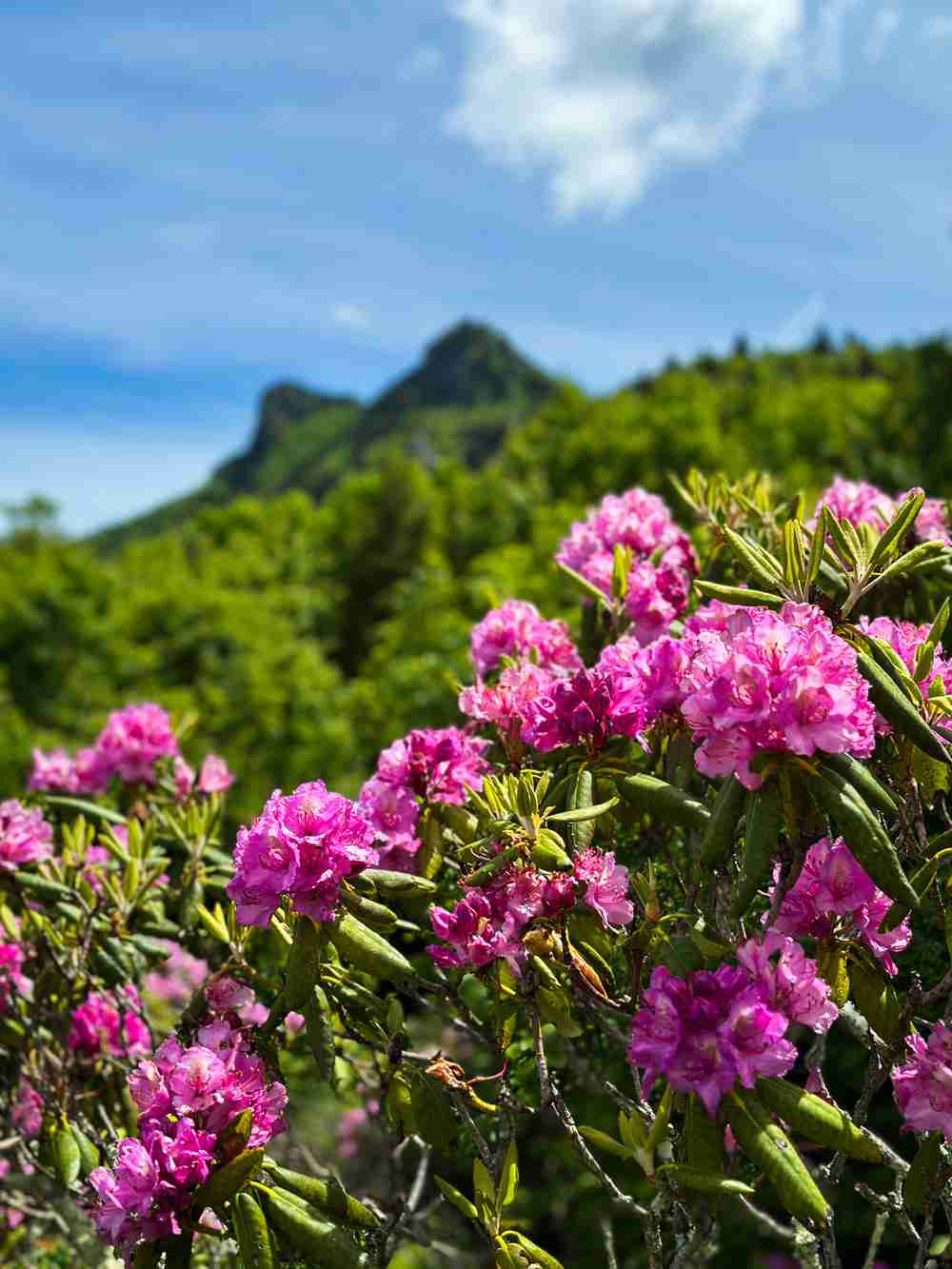
Whether you’re chasing bluebells along the Potomac or climbing toward azalea-covered peaks in the Appalachians, the East Coast in spring offers endless opportunities to reconnect with nature.
So what are you waiting for?
Lace up your boots, grab your camera, and let the wildflowers guide your way!


Previous Story
Next Story
Looking for the best things to do in Portsmouth VA? Your internet search certainly didn’t steer you wrong! Portsmouth, with a bustling and historic...

Hurricane Helene Relief Efforts in Boone In September 2024, Hurricane Helene left a path of unimaginable loss and destruction throughout the U.S. southeast, including...
Looking for the perfect Great Smoky Mountains National Park itinerary for an upcoming trip? You’ve come to the right place! Firstly, it’s easy to...
